highest rtp online casino games with the best odds

How to Build Safer Gambling Boundaries Online

betya casino reviews

Responsible gambling tools are most useful when they are chosen before play becomes emotional or difficult to control. The betya account information describes several controls, including deposit limits, cooling-off periods, temporary time-outs, self-exclusion, wager and loss limits, and a self-assessment tool. These options are not a guarantee against harm, and availability can depend on the account or jurisdiction. They are best treated as practical barriers that support a personal plan, alongside awareness of spending, time, mood and the legal requirements that apply where you live.

Start with a limit you can explain clearly

A useful limit is specific enough to follow without making fresh decisions during a gambling session. A deposit limit controls how much money can be added over a chosen period, while a wager limit concerns the amount staked. A loss limit focuses on the amount you are prepared to lose. These controls address different points in the process, so selecting only one may leave an important gap.

Begin with money that is genuinely discretionary. It should come after rent, food, utilities, debt payments, savings and other essentials, not before them. Consider setting a weekly or monthly ceiling rather than relying on a daily figure alone. A daily limit can still permit repeated deposits on several consecutive days, whereas a broader period may make the overall cost easier to see. Write down the amount and the period it covers before enabling the setting.

Limits work best when they are treated as boundaries rather than targets. Reaching a deposit ceiling is not a reason to switch payment methods, borrow money or seek another account. Review the limit only during a calm period, never immediately after a loss or a win. If the amount feels difficult to maintain, reduce it. A limit that repeatedly needs to be raised is a signal to pause and reassess the entire activity.

Which account control fits the situation?

Different tools are suited to different concerns. A cooling-off period can create space after an uncomfortable session or a period of unusually frequent play. A temporary time-out is more appropriate when a person wants a firm break for a defined period. Self-exclusion is a stronger step for someone who does not want to gamble for a specified or indefinite time.

The source material describes self-exclusion as blocking play for the selected period and notes that reopening is not immediate. That delay matters: it prevents an impulsive decision to resume activity during a moment of regret or excitement. Before applying any break, note practical matters such as pending transactions, active promotions and access to support. Do not assume that a control on one service automatically covers every gambling website or venue.

Account closure is another option, but it should not be confused with a temporary pause. Closure may be suitable when the account is no longer wanted; self-exclusion is designed around preventing gambling for a chosen period. If gambling is affecting finances, relationships, work, sleep or mental health, choose the strongest available barrier rather than the most convenient one. External support can add accountability when account settings alone do not feel sufficient.

Use the tools before a difficult session

Responsible gambling settings are easier to apply before play begins. Set them when you are calm, sober and not trying to recover a loss. If the account provides a self-assessment tool, answer it honestly rather than treating it as a test to pass. Questions about chasing losses, hiding activity, borrowing, spending more than planned or feeling unable to stop can reveal risks that a balance does not show.

A short pre-session routine can make the controls more meaningful. Check the available balance, confirm the time limit for yourself, and decide what activity will end the session. Keep gambling money separate from household funds, avoid credit for gambling and do not use another person’s payment method. The account information states that third-party funding is not permitted, which also makes payment ownership an important part of keeping activity transparent.

Consider removing stored payment details where possible and turning off promotional messages if they encourage unplanned play. Keep a simple record of deposits, withdrawals, time spent and losses rather than relying on memory. A record can expose patterns such as late-night sessions or repeated deposits after a losing period. If the record causes concern, use a time-out or self-exclusion immediately instead of waiting for the next review.

What happens when a limit is not enough?

A limit may reduce exposure, but it cannot resolve every gambling problem. Someone can remain within a deposit limit while spending too much time playing, hiding activity from family or treating gambling as a source of income. Warning signs include chasing losses, feeling restless when unable to play, neglecting obligations, borrowing money, selling possessions or returning quickly after deciding to stop.

In that situation, increasing a limit or changing games is unlikely to address the underlying issue. Use a cooling-off period, time-out or self-exclusion, and remove access to available gambling funds. Tell a trusted person what is happening and ask them to help monitor finances or provide support. If gambling is connected to distress, anxiety, depression or substance use, professional help is especially important.

It is also worth checking the account status if access changes unexpectedly. The published information describes states such as under review, locked, restricted, suspended, dormant, closed and self-excluded. Missing documents or an account review may temporarily prevent access, but that is different from a voluntary break. Contact support for account questions, while treating a voluntary exclusion as a personal safety decision rather than a technical inconvenience.

Review the plan without normalizing losses

betya casino reviews

A review should examine whether the plan is working, not look for justification to spend more. Compare actual deposits and losses with the amount originally set aside. Include fees, currency conversion, unsettled transactions and money used for related entertainment. Where several account currencies or payment methods are available, tracking everything in one personal budget can prevent the total from appearing smaller than it is.

Review time as carefully as money. A session that stays within budget can still become harmful if it displaces sleep, work, study, family time or other interests. Notice whether gambling is becoming the main way to manage boredom, stress or disappointment. If the answer is yes, add alternative activities to the plan and strengthen the account control rather than simply changing the game or platform.

Keep the plan simple enough to follow: one spending ceiling, one time boundary, one response if either is reached, and one person or service to contact if control weakens. Do not treat wins as proof that the limits are unnecessary or losses as a debt that must be recovered. The safest review outcome may be a lower limit, a longer break or indefinite self-exclusion.

Frequently asked questions about gambling controls

What is the difference between a time-out and self-exclusion?

A time-out is generally a temporary pause chosen for a defined period, while self-exclusion is a stronger restriction intended to prevent gambling for a specified or indefinite period. The available duration and reopening process can vary, so check the account’s stated terms before selecting either option.

Should I set a deposit, wager or loss limit?

Each limit addresses a different risk. A deposit limit controls money added, a wager limit controls staking activity, and a loss limit controls the amount lost. If you are uncertain, use the most protective combination available and choose amounts based only on discretionary funds.

What should I do if I keep trying to bypass my limit?

Stop gambling rather than raising the limit or moving to another payment method. Apply a time-out or self-exclusion, separate gambling funds from household money and tell someone you trust. If stopping feels difficult, seek professional or community support instead of managing the problem alone.

Managing Online Casino Account Settings in Canada

authorized online casinos Canada

Account settings do more than store login details. They determine how personal information is checked, how limits are applied, how promotions are managed and what happens when access or withdrawals are reviewed. For readers assessing casino lussurio, the practical question is not simply whether an account can be opened, but whether its controls match the way they intend to use it. The available information points to a settings area involving verification, payment ownership, bonus participation, activity history and play-management tools.

What should be checked before creating an account?

Registration requires accurate personal and contact details, including a legal name, residence information and an email address or telephone number. The account holder must also meet the applicable minimum gambling age and jurisdiction requirements. A currency is selected during the process, and Canadian-focused information identifies CAD among the supported currencies. That choice matters because thresholds, displayed balances and promotional conditions may vary according to the currency attached to the account.

It is sensible to review the terms before submitting registration details, particularly the rules on duplicate accounts and personal-information changes. The available material says that duplicate registrations are restricted. If a name, address or identity document later needs correction, the change may require support review rather than being immediately editable by the account holder. Using consistent information from the beginning can reduce avoidable questions during a later compliance check.

Account recovery should also be considered before relying on the service. Existing users sign in with their registered credentials, while forgotten-password or inaccessible-account cases can be raised through the recovery flow or customer support. The precise recovery screens and authentication options are not consistently documented. For that reason, users should keep their registered email or phone number accessible and avoid creating a second account when the first one becomes difficult to access.

How do verification and personal details affect access?

Know Your Customer checks can affect more than the initial registration stage. They are particularly relevant before a withdrawal, when the operator may request government-issued identity evidence, proof of residential address and documents showing ownership of the deposit or withdrawal method. These requests are intended to connect the account, the individual and the payment source, so documents should be clear, current and consistent with the information already supplied.

Published account information describes verification or pending-review periods of up to 72 hours, although additional checks may take longer. Public complaints have referred to delayed verification, duplicate-account allegations and withdrawals paused while a game-provider review takes place. These reports do not establish what will happen in every case, but they show why a pending status should not automatically be treated as a completed approval or guaranteed payment timeline.

authorized online casinos Canada

When an account is restricted, KYC is incomplete or a withdrawal is paused, the most useful response is to ask support for the exact outstanding requirement. Keep copies of submitted documents and note when each request was made. Avoid sending inconsistent explanations or opening another account to bypass a restriction. For general online account protection, the Canadian Centre for Cyber Security offers public guidance on protecting credentials and personal information.

Which controls can shape everyday account use?

The account area is described as supporting cashier functions, bonus participation, account verification and access to bet history. These settings serve different purposes. A cashier view concerns transactions, verification can affect account status, and bet history helps a user review activity rather than relying on memory. Checking records periodically can reveal whether a transaction, bonus condition or play session appears as expected.

Several play-management controls are listed: deposit limits, wagering limits, loss limits, time or session limits, reality checks, temporary cooling-off periods and self-exclusion. Their practical effect may differ. A deposit limit concerns funds added to the account, while a loss or wagering limit relates to activity after funds are present. A session control or reality check is designed to interrupt continuous play, whereas cooling-off and self-exclusion restrict access for a chosen period.

Users should confirm how each control works before relying on it, including whether it applies immediately, how long it lasts and whether support involvement is required to change or remove it. The source material identifies the controls but does not provide every screen or setting condition. If a limit appears missing or does not behave as expected, pause activity and contact support rather than assuming the restriction has taken effect.

What should be reviewed in bonus and payment settings?

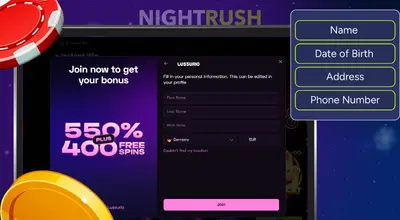
Promotional settings can create obligations that remain connected to the account after a deposit. The published welcome package is described as reaching up to 550% in matched bonuses and 400 free spins across four qualifying deposits, but caps, deposit floors and wagering requirements depend on the specific offer and currency. A promotion may be connected to a referral link, promo code or cashier offer, and no single universally valid public code has been established.

Only one active bonus is generally described at a time. Bonus-funded play may exclude or reduce contribution from live dealer, sports, instant-win and crash categories. Bonus balances may also be forfeited after a withdrawal under the applicable terms. Before activating an offer, review the current conditions in the account or cashier, including the qualifying deposit, wagering calculation, expiry, game contribution and any winnings cap.

Payment settings also deserve close attention. Canadian-focused listings name CAD, several card and e-wallet routes, bank transfers, alternative payment methods and cryptocurrencies, but availability can depend on country, bank and cashier profile. Some methods may be deposit-only. Withdrawals may need to use a previously used deposit method and pass payment-ownership checks. Treat any displayed threshold or processing estimate as conditional, since currency, method, KYC and compliance reviews can change the result.

How should a restricted or inactive account be handled?

A locked or restricted account should be approached as an account-status issue, not as an invitation to register again. The available support information lists 24/7 live chat and email assistance. Questions about failed login, locked funds, payout status, bonus cancellation or KYC documents can be directed through those channels. A concise message should identify the issue, provide the registered contact details requested by support and ask what action is needed next.

Keep a record of relevant dates, transaction references and document submissions. If support asks for identity or payment evidence, provide it only through the operator’s stated secure process, and check that the request matches the account issue. Do not send unnecessary sensitive material through an unverified contact route. If an account is under a game-provider or compliance review, repeated messages may not shorten the review, but a clear request for status can establish what remains unresolved.

Before leaving an account inactive, review any open bonus, pending withdrawal, active limit or self-exclusion request. An unused account may still contain personal data, transaction history or an unresolved verification status. Users should also check whether changing contact details requires approval. The available material does not establish every closure or reactivation rule, so the safest approach is to request the applicable procedure from support and retain confirmation of any important account change.

Account settings FAQ

Can personal details be changed after registration?

Changes may require support review, especially when they affect identity or verification documents. Use accurate information at registration and ask support for the approved correction process. Avoid creating a replacement account, because duplicate-account restrictions may apply and could create further verification questions.

What happens if a withdrawal is held for review?

A withdrawal may remain pending while identity, payment ownership, compliance or game-provider checks are completed. Review periods are described as reaching up to 72 hours, but extra checks can take longer. Ask support which document or transaction detail is outstanding and keep records of your correspondence.

Are account limits the same as self-exclusion?

No. Deposit, wagering, loss, time and session limits manage particular aspects of activity. Reality checks provide reminders, while cooling-off periods and self-exclusion restrict access more broadly. Confirm the duration and activation rules for each control before relying on it.

Live Dealer Navigation for Canadian Players

Live dealer tables are easier to enjoy when the site helps you move from one game to the next without guesswork. For Canadians comparing platforms, the lussurio online casino listing presents a useful starting point for examining categories, providers, account settings and the practical conditions attached to play. The important question is not simply how many tables appear in a lobby, but whether the navigation makes it easy to identify the game type, understand the format and check relevant terms before committing funds.

live dealer games for Canadians

Start with the live casino lobby, not the full catalogue

A large casino catalogue can be distracting if every category is displayed together. A more efficient route is to open the live casino area first, then use the available category navigation to narrow the selection. The listed live content includes dealer-hosted blackjack, roulette, baccarat, poker variants and live game shows. These categories appeal to different preferences, so separating them early can reduce the time spent scanning unrelated slots, instant games or crash titles.

Provider browsing can also be useful when a player already recognises a particular studio. Evolution and Ezugi are among the named live-dealer suppliers associated with the platform. A provider filter does not automatically tell you whether a table is suitable, fair for your budget or available at a convenient time, but it can make the lobby more manageable. It may also help distinguish a conventional table from a game-show format or a variant with different rules.

Before selecting a table, check whether the lobby displays useful information such as the game name, minimum stake, maximum stake, live status and number of seats. Do not assume that every table has identical limits simply because it belongs to the same category. If the interface does not show a detail clearly, treat that as a reason to inspect the table or its rules before placing a wager, rather than relying on a general description elsewhere.

How should a new player compare table formats?

Blackjack, roulette and baccarat each require a different kind of attention. Blackjack involves decisions during the hand, including whether to hit, stand, split or double when those options are available. Roulette is more immediately visual, but its many betting areas can make the layout appear more complex than it is. Baccarat generally uses a narrower set of betting choices, although the table may still show side bets that need separate explanation.

Live poker variants and game shows should be assessed independently rather than treated as ordinary table games. A poker table may involve different rules, hand rankings or betting structures, while a game show can introduce bonus rounds, multipliers or special features. These additions may make the presentation entertaining, but they can also make the effective cost and probability of a bet less obvious. Read the information panel before treating a familiar title as a familiar game.

A practical comparison can use three questions: what decisions must be made, what bets are optional, and what is the lowest available stake? Also check whether the table is streamed continuously or opens only at scheduled times. Short introductory play may help you learn the interface, but it cannot establish future results or prove that a particular table will suit your budget. The goal is orientation, not a promise of performance.

Use filters and table information to reduce friction

Good navigation is more than attractive graphics. Filters should help players move between game families, providers and possibly table limits without repeatedly returning to the homepage. If a mobile browser is being used, compact menus and clear back controls matter even more because a crowded lobby can hide important information. The available material describes an instant-play website designed for modern smartphones and tablets, so browser usability is a relevant part of the live-dealer experience.

live dealer games for Canadians

Pay attention to whether a table opens in the same window, a separate panel or a full-screen view. A full-screen stream may be easier to follow, while a compact view can make it simpler to monitor account information or move back to the lobby. Neither arrangement is automatically better. What matters is whether the controls remain legible and whether the player can leave a table without accidentally confirming another action.

Mobile users should distinguish browser access from a native application. Some directory descriptions use the word “app”, but a verifiable iOS App Store or Android Google Play listing was not established in the available material. It is therefore safer to treat the service as browser-based unless the operator clearly identifies an official downloadable application. Avoid installing files from unofficial pages merely because they promise a faster route to the tables.

Read the conditions before a promotional balance reaches the table

Live dealer games can appear alongside promotions, but promotional eligibility is not necessarily the same as live-game eligibility. The published material indicates that bonus-funded play may exclude live dealer content or apply reduced contribution rates. That distinction can change how quickly a wagering requirement is completed and whether a player’s chosen table counts at all. The specific offer terms should be read before making a deposit intended to qualify for a promotion.

Other details deserve equal attention. A bonus may apply only to certain deposits, require a particular code or referral route, and impose a wagering requirement on the deposit plus the bonus rather than on the bonus alone. The applicable amount, cap, qualifying threshold and game contribution should be treated as offer-specific. Marketing headlines should not be used as a substitute for the full conditions displayed at the time of acceptance.

It is also sensible to decide whether promotional play is worth the added restrictions. A player who wants straightforward table access may prefer not to attach a bonus if the conditions limit game choice or complicate withdrawal. That is a personal trade-off, not a claim that one option is universally superior. If an offer’s live-game treatment is unclear, ask support for a written explanation before opting in and keep a copy of the terms.

Make account and session controls part of the navigation plan

Live tables can encourage longer sessions because rounds continue at a steady pace and the presentation feels social. Account controls should therefore be considered before entering the lobby. The available information lists deposit, wagering and loss limits, along with time or session limits, reality checks, cooling-off periods and self-exclusion. These tools are most useful when set before attention narrows around a particular table.

Use the account area to review the controls offered, confirm the selected currency and understand how account activity is recorded. CAD is listed among the supported currencies, but the displayed options and thresholds can depend on the cashier, method and account profile. Do not assume that a currency setting changes the table’s underlying rules or that every payment method will be available simply because it is mentioned in general platform information.

Keep verification in mind when planning a session that could lead to a withdrawal. Account registration requires accurate personal and contact details, and checks may request identity, address or payment-ownership documents. The listed review period can be up to 72 hours, with additional checks taking longer. A clear record of deposits, bets and support conversations can make later questions easier to resolve, but it cannot guarantee a particular review time.

Questions Canadian players often ask

Are all live dealer games available on mobile browsers?

The available information describes instant-play access through modern smartphone and tablet browsers, including live casino content. However, display quality, table availability and controls can vary by device and browser. Test the layout carefully, and do not assume that a directory’s reference to an app means an official iOS or Android application exists.

live dealer games for Canadians

Do live dealer bets always count toward a bonus?

No. Promotional terms may exclude live dealer games or assign them reduced wagering contribution. The result depends on the specific offer, game and account conditions. Read the current terms before opting in, especially if the purpose of the deposit is to unlock a bonus or free spins.

What should I check before joining a table?

Confirm the game rules, optional side bets, minimum and maximum stakes, currency, table status and any promotional restrictions. Also review your session limits before playing. If an important detail is not visible in the lobby, contact support rather than relying on assumptions drawn from another table or provider.

Managing Seasonal Casino Promotions Through Account Settings at Lussurio

seasonal casino promotions Canada

Seasonal casino promotions can change quickly, with different bonus conditions, qualifying deposits and expiry dates attached to each campaign. For Canadian adults reviewing an offer, the account area is often more useful than a promotional headline because it may show active bonuses, available controls and verification requests in one place. The lussurio casino login is best treated as an account-information route: check the current terms, currency and personal settings before deciding whether an offer fits your plans. Do not assume that a seasonal promotion applies merely because it appears in general advertising.

Start by separating the headline from the account terms

A seasonal campaign may advertise a large combined percentage, free spins, cashback or tournament rewards. Those figures describe the potential structure of an offer, not necessarily the amount every Canadian account can claim. Eligibility can depend on the selected currency, the qualifying deposit, an acquisition link or a promo code. It may also be limited to new customers, returning depositors or a particular campaign period.

Before making a deposit, open the promotion details associated with the account and look for the practical conditions. Check whether the offer applies to CAD accounts, whether a minimum deposit is required and whether the bonus must be activated before or immediately after the transaction. The published information for this brand describes a welcome package spread across several qualifying deposits, while reload bonuses, free-spin campaigns, cashback, tournaments and VIP rewards may operate under separate rules.

Pay particular attention to how wagering is calculated. Descriptions of the welcome offer indicate that wagering can apply to the deposit and bonus together, rather than to the bonus alone. Different campaigns may use different multipliers, so a figure found in an older listing should not be treated as the current rule. Also check whether only one promotion may be active at a time and whether withdrawing can cancel a bonus balance or associated rewards.

Use the account area as a promotion checklist

Account settings can help you distinguish an available promotion from one that is merely advertised. Review the profile’s currency, contact details and promotional messages before accepting an offer. Accurate personal and residence information matters because a later verification review may pause account activity if the records do not match. Changes to identity details or documents may require support assistance rather than an instant edit.

A useful review sequence is:

  • Confirm eligibility: check the campaign’s dates, account status, age requirement and any Canada-specific wording.
  • Check the qualifying action: identify the required deposit, promo code, referral route or activation step.
  • Read game contribution rules: live dealer, instant-win, crash and other categories may be excluded or contribute less towards wagering.
  • Record the expiry condition: note when free spins, bonus funds or cashback must be used.
  • Review withdrawal effects: determine whether a withdrawal cancels the promotion or leaves wagering incomplete.

Keep a private record of the offer name and the terms shown when it was accepted. That can make a later support conversation clearer if the account display changes. It is also sensible to avoid accepting multiple seasonal campaigns before understanding whether the account permits only one active bonus.

Check what happens when verification intersects with a bonus

seasonal casino promotions Canada

Seasonal offers can create urgency, but verification should be treated as a separate account requirement. The available information indicates that identity checks may be requested, especially before a withdrawal, and can involve government-issued identification, proof of address and evidence that the payment method belongs to the account holder. A promotional balance does not remove those checks.

Published descriptions refer to review windows of up to 72 hours, while noting that additional checks can take longer. Public complaints have also mentioned delayed verification, duplicate-account allegations and withdrawals paused during game-provider reviews. These reports do not establish what will happen to every account, but they are a reason to read the rules before depositing for a time-limited campaign. Avoid opening duplicate accounts to pursue a second seasonal offer.

If a promotion appears in the account but a withdrawal or verification review is pending, contact support through the available channel and ask which requirement remains outstanding. Keep communication factual and retain requested documents securely. For broader guidance on recognising potentially misleading promotional claims, consult Canada’s deceptive marketing guidance. It does not confirm the terms or availability of any specific casino campaign, but it provides useful context for assessing advertising claims.

Choose between seasonal rewards without chasing the largest figure

seasonal casino promotions Canada

The biggest percentage is not automatically the most suitable promotion. A matched-deposit offer can tie up funds until wagering is completed, while free spins may be restricted to selected games or carry a separate winnings rule. Cashback may sound simpler, but the account level, campaign terms and whether the reward is withdrawable can matter more than the headline percentage.

Compare offers using the amount you intend to spend, not the maximum advertised amount. Ask whether the qualifying deposit is affordable without relying on future winnings, whether the wagering period is realistic and whether excluded games reduce the practical value. A promotion with a smaller headline and clearer conditions may be easier to understand than a multi-stage package spread across several deposits.

Seasonal timing adds another trade-off. A holiday campaign may expire while verification is still pending, or a tournament may require activity within a narrow window. If the terms do not clearly explain when the clock starts, how points are calculated or what happens after cancellation, seek clarification before opting in. Never regard promotional play as income; the reward remains conditional and the underlying gambling outcome is uncertain.

Set account controls before accepting a limited-time offer

Account controls are useful when a seasonal campaign creates pressure to deposit again. The listed settings include deposit, wagering and loss limits, along with time or session limits, reality checks, cooling-off periods and self-exclusion. Review these options before activating an offer, because a promotion should not encourage you to override a limit that reflects your budget or available time.

Use a limit that covers your overall intended activity rather than only the amount needed to qualify for one campaign. If the account supports separate controls, consider how deposit, loss and session settings work together. A deposit limit may restrict funding, while a session reminder can interrupt extended play; neither changes the odds or guarantees that wagering conditions will be met.

Cooling-off and self-exclusion tools deserve special attention. A temporary break can be more appropriate than accepting a reload promotion when play is becoming difficult to manage. Before opting into a campaign, check whether activating a control affects pending bonuses, and ask support if the account display is unclear. The safest decision may be to leave an offer unused rather than change a protective setting for it.

Seasonal promotion questions to check in your account

Does a seasonal offer automatically apply to a Canadian account?

No. A campaign may depend on account currency, location, deposit amount, registration route, promo code or account status. Review the current terms shown for your account and confirm any Canada-specific conditions before depositing. General advertising does not prove that every listed offer is available, active or withdrawable for your account.

Can bonus-funded games include live casino or crash games?

Not necessarily. Promotional terms may exclude live dealer, instant-win, crash or other categories, or assign them reduced wagering contribution. Check the individual campaign rather than relying on general game availability. The presence of a game in the catalogue does not establish that it qualifies fully for seasonal bonus wagering.

What should you do if verification delays a seasonal reward?

Review the account notice, gather only the documents requested and contact support through the available channel. Do not create another account or repeatedly submit inconsistent information. Because review periods can extend beyond published estimates, record the campaign’s expiry terms and ask how pending verification affects the bonus before taking further action.

When Online Gambling Tools Need More Than Good Intentions

responsible online gaming Canada

Responsible online gaming Canada means more than choosing a familiar-looking website or promising yourself that you will “keep it moderate.” Effective safeguards work best when they are selected before play, understood clearly and used consistently. The casino lussurio information available for Canadian visitors lists several account controls, including deposit, wagering and loss limits, session reminders, cooling-off periods and self-exclusion. These tools can help create boundaries, but they are not a substitute for personal awareness, careful reading of terms or professional support when gambling begins to feel difficult to control.

Which controls actually shape your spending?

responsible online gaming Canada

Different limits address different problems. A deposit limit controls how much money can be added to an account during a selected period. A wagering limit focuses on the amount staked, while a loss limit is intended to restrict the amount lost. These are not interchangeable. Someone who deposits a modest amount but repeatedly reloads may need a deposit boundary, whereas someone who keeps playing after losses may benefit from a loss or wagering limit.

Time-based controls address a separate risk: losing track of how long a session has lasted. Session limits can encourage a stop after a defined period, and reality checks can interrupt play with a reminder about elapsed time or activity. Their value depends on treating the interruption as a decision point rather than dismissing it automatically. If a reminder repeatedly feels inconvenient, that may itself be useful information about the role gambling is taking in your routine.

Choose limits using ordinary finances, not an anticipated win. Money set aside for rent, groceries, debt payments, savings or family commitments should never be included in a gambling budget. It is also sensible to decide in advance whether the limit is daily, weekly or monthly and to avoid increasing it during an emotional session. Where an account offers several controls, using more than one can reduce the chance that a single measure fails to address the behaviour causing concern.

How should a limit be set before play?

Start with a short written plan. Record the maximum amount you can afford to lose during the chosen period, the maximum session length and the point at which you will stop regardless of the result. Treat the amount as entertainment spending, not as a possible source of income. A useful test is whether losing the full amount would affect essentials or create pressure to borrow. If the answer is yes, the planned amount is too high.

Next, apply the account controls before opening a game. Look for the responsible-gambling or account-management area and read whether limits take effect immediately, reset at a specified time or require confirmation. The published material for this brand indicates that deposit limits, wagering limits, loss limits, time controls and reality checks may be available, but the exact settings and procedures should be checked in the current account interface and terms.

Finally, remove easy ways to override the plan. Do not keep a second account, use another person’s payment method or move money between accounts to continue playing. Keep records of deposits and withdrawals so that the total is visible rather than relying on memory. If the platform permits a limit to be changed, consider lowering it in advance and avoid raising it during play. A boundary is most useful when it remains firm during excitement, frustration or an urge to recover losses.

What can limits prevent—and what can they not?

Account controls can slow impulsive decisions, cap planned spending and make a session more visible. They may also create a pause between an urge and an action. That pause matters because gambling-related decisions often become less considered after a loss or during a long session. A cooling-off period can provide a temporary break, while self-exclusion is designed for a stronger restriction when taking a longer-term distance from gambling is necessary.

These tools cannot guarantee that someone will stop feeling an urge, win less, lose less or avoid financial harm in every circumstance. A limit may apply only to one account or operator, and payment providers, borrowing and other gambling websites may remain outside its reach. Limits may also have activation rules, waiting periods or exceptions. Readers should confirm the current conditions rather than assuming that a setting immediately blocks every form of play.

For independent Canadian information about gambling risks and support options, consult Canada’s responsible gambling information resource. External support is especially important when gambling is linked to secrecy, arguments, unpaid bills, using credit for play, chasing losses or repeated attempts to stop. A tool is a practical safeguard, not proof that gambling is safe for a particular person. The right response may be a break, self-exclusion, financial assistance or a conversation with a qualified counsellor.

When is a cooling-off period the better choice?

A cooling-off period is useful when you do not want permanent exclusion but need immediate distance. It can suit situations such as unusually frequent play, a stressful week, repeated deposits or noticing that gambling is taking time away from sleep, work or relationships. The key is to request it before the next session, not after deciding to gamble “just once more.” During the break, remove gambling reminders and avoid replacing the activity with another betting account.

Self-exclusion is more appropriate when temporary pauses have not worked or when gambling has caused serious financial or emotional consequences. It should be treated as a firm protective decision rather than a punishment. Before confirming it, check its duration, whether it covers all products on the account and how reactivation works. If the terms are unclear, ask support for written clarification and keep a copy of the request.

Use the pause to examine what triggers play. Common triggers include boredom, loneliness, alcohol, payday, sporting events, advertising and the hope of recovering a previous loss. Practical changes can include blocking gambling websites, restricting access to spare funds, asking a trusted person to help with budgeting and avoiding high-risk situations. If gambling feels urgent or uncontrollable, do not wait for a tool to solve everything; seek confidential support promptly.

How can Canadian players review their safeguards?

Review controls at regular intervals, preferably when calm. Compare planned spending with actual deposits, the number of sessions and the amount of time spent thinking about gambling. A small increase in frequency can matter even when individual deposits appear affordable. Watch for signs such as hiding activity, feeling restless when not playing, borrowing, using essential money or continuing after deciding to stop.

Check practical conditions as well as personal behaviour. Confirm which currency the account uses, whether displayed amounts are in Canadian dollars and whether a limit applies to deposits, losses, wagers or time. Also review whether promotional funds have separate terms, since a bonus can encourage longer play or additional deposits. Never accept a promotion as a reason to exceed a pre-set budget, and do not treat bonus balances as income or guaranteed value.

Keep a simple monthly record and make one decision from it: continue only with the same or lower boundaries, take a cooling-off period or self-exclude. If you choose to continue, set the controls again before playing and leave enough time between reviews to observe your habits honestly. Responsible online gaming is strongest when the account settings, financial plan and personal behaviour point in the same direction; if they conflict, choose the more protective option.

Responsible online gaming questions

Are deposit limits enough to stay in control?

Not always. Deposit limits restrict money added to an account but may not address long sessions, chasing losses or play elsewhere. Combining a realistic deposit limit with time reminders, loss boundaries and a written budget can provide broader protection. If control remains difficult, a cooling-off period or self-exclusion is safer.

What should happen if a limit feels too restrictive?

Do not raise it during an active session. Stop playing, review your original budget and consider whether the discomfort reflects an urge rather than a genuine change in affordability. If the limit is repeatedly frustrating or bypassed, use a cooling-off period and seek independent support before making further account changes.

Can responsible-gambling tools guarantee that no harm occurs?

No. They can reduce access, spending and impulsive decisions, but they cannot guarantee outcomes or cover every account, payment method or gambling service. Their effectiveness depends on accurate settings and honest use. Serious financial, relationship or emotional problems call for support beyond account controls, including professional or confidential assistance.

When Online Casino Navigation Gets in the Way of Safer Play

responsible online gaming Canada

Responsible online gaming Canada readers can use depends on more than a large game catalogue. Clear menus, visible account controls and understandable terms help people make deliberate decisions instead of rushing through a crowded interface. The casino lussurio homepage is best approached as an information and navigation starting point: examine how content is organized, locate the tools that affect spending and time, and confirm important conditions before creating an account or depositing funds.

Start with the information you actually need

A useful first visit should answer practical questions without requiring extensive searching. Look for clear paths to game categories, account terms, verification requirements, payment information, promotions and responsible-gambling controls. A homepage that places these areas in predictable menus reduces the chance that an attractive banner becomes the first and only information a visitor sees.

For Canadian users, the distinction between local convenience and operator status also matters. The available material describes the brand as an offshore casino operating under a Curaçao licence, rather than an operator registered with iGaming Ontario. That does not by itself answer every question about suitability, but it is an important fact to consider before sharing personal information or treating the site as equivalent to a provincially regulated service.

Navigation should also make it possible to compare information rather than merely follow prompts. A visitor can check whether CAD is available, whether the displayed payment method suits their circumstances, and whether account requirements are explained before registration. If a page uses broad language such as “fast” or “easy” without defining conditions, treat that as promotional wording rather than a guarantee. Good usability supports slower, better-informed decisions.

How should a visitor move through the homepage?

Begin with the account and policy areas, not the game lobby. Confirm the minimum legal age and jurisdiction requirements, read the account rules, and identify what information may be requested during verification. The available information says registration requires accurate personal and contact details, while checks may involve identity, address and payment ownership documents.

Next, inspect the sections that affect money and time. Find the cashier information, bonus terms and responsible-play settings before deciding whether the service fits your boundaries. Listed account controls include deposit, wagering and loss limits, along with session limits, reality checks, cooling-off periods and self-exclusion. Their presence is useful only if the user can locate and understand them.

responsible online gaming Canada

Finally, check how support is reached and what happens when an account needs attention. Live chat and email support are listed, but the exact screens for recovery and authentication are not consistently documented. Save relevant terms and keep records of important requests. If a withdrawal, identity review or account restriction becomes disputed, a dated record of communications is more useful than relying on memory.

Keep promotions from dominating the decision

Promotional panels often occupy the most visible space on a casino homepage, yet they may be the least suitable place to begin. The published welcome material describes matched bonuses and free spins across several deposits, while the exact caps, qualifying amounts and conditions depend on the specific offer and currency. Treat every headline as an invitation to read the full terms, not as an available cash benefit.

Pay particular attention to wagering language. The supplied information says requirements can apply to the deposit plus the bonus, and different descriptions give different multipliers. Bonus-funded play may also exclude or limit contribution from live dealer, instant-win and crash games. A bonus balance can be forfeited when a withdrawal is made under the applicable terms, so accepting an offer may create restrictions that do not apply to ordinary deposited funds.

A safer navigation habit is to separate entertainment choices from promotional choices. Decide in advance whether the bonus conditions are worth the extra complexity, and do not increase a deposit simply to unlock a larger headline amount. If a promotion requires a code, referral route or qualifying deposit, confirm the current account-specific wording. Never assume that a commonly advertised offer is universally valid for every Canadian visitor.

Use payment and verification pages as warning points

Payment menus should be read as conditional information, not a promise that every listed method will appear for every account. Canadian-facing material names CAD, Interac, cards, e-wallets, bank transfers, vouchers and cryptocurrencies, but availability can vary by country, bank, currency and cashier profile. Some methods may support deposits only, while others may involve separate withdrawal conditions.

Displayed thresholds also require care. Canada-focused listings describe approximate deposit and withdrawal minimums, along with indicative processing windows, but the applicable amount and timing may change by method. Identity checks, compliance reviews and game-provider investigations can extend a stated window. The available information also reports complaints involving delayed verification and withdrawals paused during reviews, which makes it sensible to understand the process before depositing.

For broader Canadian guidance about safer gambling decisions, the Responsible Gambling Council’s public resources offer independent context that is not specific to any one operator. In practical terms, avoid depositing money needed for ordinary expenses, use a payment method you control, and retain transaction records. If ownership documents or identification are requested, provide information only through the operator’s verified account or support channels.

Turn navigation into a personal safety routine

Responsible use is easier when controls are selected before play begins. Set a spending limit that reflects discretionary money rather than available credit, then choose a session or time limit that prevents an open-ended visit. Reality checks can interrupt continuous play, while a cooling-off period can create distance after an uncomfortable session. These tools should be treated as planning aids, not proof that gambling is risk-free.

Review the account after each material change. Check whether a limit is active, whether a promotion has altered withdrawal conditions, and whether the account history records deposits and wagers clearly. If the interface makes limits difficult to find or change, contact support before continuing. Do not interpret a loyalty or VIP feature as a reason to raise spending; rewards are discretionary benefits, not income.

Self-exclusion is the stronger option when temporary limits no longer feel sufficient. It is designed to restrict access rather than simply slow activity, and users should read the stated duration and reactivation rules carefully. If gambling is causing financial, emotional or relationship harm, stop using the account and seek independent support. A well-organized homepage can help people act deliberately, but it cannot replace personal boundaries or professional assistance.

Questions about safer casino navigation

Does a large game menu make an online casino easier to use?

Not necessarily. Thousands of titles can make discovery harder if filters, categories and search tools are unclear. A usable menu should help visitors distinguish slots, table games, live content and other formats without encouraging hurried play. The quality of navigation matters more than the number of games displayed.

Are responsible-gambling controls automatically effective?

No. Limits and reality checks are useful only when they are easy to activate, clearly explained and respected during account activity. Choose settings before playing and confirm that they appear as active. If controls are unavailable, confusing or ineffective, stop using the account and contact support rather than continuing.

What should I do if verification delays affect a withdrawal?

Review the stated requirements, provide only requested documents through verified channels and keep copies of communications. Ask support for the reason and current status in writing. Do not make additional deposits to resolve a delay. If the issue remains unresolved, consider independent consumer or gambling-support guidance before taking further action.

How to Read Casino Bonus Conditions in Canada

casino bonus conditions Canada

Promotional headlines can look straightforward until the qualifying deposit, wagering requirement, game restrictions and withdrawal rules are read together. For Canadian players considering lussurio casino online, the useful question is not simply how large an offer appears, but what must happen before any bonus-related balance can be withdrawn. A careful reading also helps distinguish confirmed terms from general promotional descriptions, particularly when offers vary by currency, campaign, referral route or account.

Start with the offer’s qualifying steps

A bonus normally begins with a specific action, such as making a qualifying deposit, entering a promotional code or accepting an offer through a particular campaign page. The published welcome package is described as reaching up to 550% in matched bonuses and 400 free spins across four qualifying deposits. A commonly reported structure is 200% and 100 spins on the first deposit, followed by 100% and 100 spins on each of the second and third deposits, then 150% and 100 spins on the fourth.

Those figures should not be treated as an automatic entitlement. Each stage may have its own minimum deposit, maximum bonus amount and currency-specific cap. The first-deposit promotion described for Canadian players is up to CA$1,400 with 100 free spins, but the amount shown in an account or cashier can depend on the active campaign. A referral link, acquisition code or promotional route may also determine which version applies.

Before depositing, check whether the offer must be activated before the transaction, whether the promotional code is case-sensitive and whether only one bonus can be active at a time. The available information does not establish one universal public code for every Canadian account. If the promotion is displayed inside the account, save a copy of its terms and note the expiry period, qualifying deposit, maximum bonus and any separate free-spin conditions.

Calculate the real wagering obligation

The most important distinction is whether wagering applies to the deposit, the bonus or both. Published descriptions for the welcome offer state that wagering is calculated on the combined deposit and bonus amount. For example, a CA$100 deposit receiving a CA$100 bonus creates a promotional balance of CA$200 for calculation purposes. The applicable multiplier must then be applied to that combined figure, rather than assumed from a headline or a general casino convention.

Descriptions of the offer give different wagering multipliers, so the specific terms attached to the offer should control. A simple calculation can expose the scale of the commitment. If the combined deposit and bonus were CA$200 and the stated requirement were 35 times, the required wagering would be CA$7,000. That calculation does not predict a result, and it does not mean the player will retain funds while completing it; it only shows why the multiplier and calculation base matter.

Look for separate rules covering free spins, bonus winnings, maximum bet size and the deadline for completion. Some campaigns can apply a maximum convertible or withdrawable amount, while others may cancel the bonus if a withdrawal is requested before the requirement is met. If the displayed terms do not clearly state the multiplier, calculation base or expiry, ask support for written clarification before accepting the promotion.

Check which games contribute to the requirement

casino bonus conditions Canada

A wagering target is meaningful only when the contribution rules are understood. Bonus-funded play may exclude some categories or assign them reduced contribution. The available descriptions specifically warn that live dealer games, sports, instant-win games and crash games may contribute less or not at all. A game being visible in the catalogue does not prove that bets on it advance a particular bonus.

Slots often receive more favourable contribution in casino promotions, but that should not be assumed for this offer. Even within one category, selected titles can have different contribution rates, and free spins may be limited to named games. Progressive jackpots, table games and live-dealer products may also be subject to special restrictions. The terms should identify eligible games or categories rather than leaving the player to infer eligibility from the lobby.

Keep a record of the promotion name and check the bonus progress display after qualifying play. If progress does not change as expected, stop and contact support rather than continuing to wager on an uncertain basis. For broader Canadian consumer information about promotional representations and marketplace fairness, consult the Competition Bureau’s consumer information. That resource does not confirm casino-specific rules, but it provides useful context for evaluating clear and accurate advertising.

Understand how withdrawals can affect bonus funds

Accepting a promotion can create a trade-off between extra play funds and flexibility. The stated terms indicate that bonus balances may be forfeited when a withdrawal is made. This can mean that requesting a payout before completing the wagering requirement cancels the unused bonus and possibly associated promotional winnings, depending on the campaign rules. The exact consequence should be checked before submitting a withdrawal request.

Bonus conditions can also interact with ordinary payment checks. The available information says deposits may need to be played through before withdrawal even when no promotional bonus is involved. Identity, payment-ownership and compliance reviews can further delay a payout. These are separate issues from wagering, so completing a bonus requirement does not automatically mean that a withdrawal is immediately approved.

Consider the cash value of the deposit independently from the headline offer. If preserving access to the original deposit matters more than receiving promotional funds, declining or cancelling a bonus may be preferable where the account permits it. Ask whether cancellation removes only the bonus or also affects bonus-generated winnings, and request confirmation of any applicable withdrawal restriction before adding funds.

Use account settings to avoid unwanted promotions

Account controls can be as important as the offer itself. The listed account tools include deposit limits, wagering limits, loss limits, time or session limits, reality checks, cooling-off periods and self-exclusion. These settings are designed to reduce unplanned play and can help prevent a promotional deadline from encouraging decisions that do not fit a personal budget or schedule.

Set a limit before accepting a campaign, not after losses or incomplete wagering have created pressure. A deposit limit controls funding, while a wagering or loss limit addresses a different risk. A reality check can interrupt a long session, and a cooling-off period can provide time away from promotional messages. The available material does not establish the exact duration or operation of each setting, so confirm the options shown in the account.

Promotional communications and bonus participation may also be handled through account preferences or support. If an offer is no longer wanted, ask whether it can be declined or cancelled without affecting unrelated funds. Keep copies of support responses, the accepted terms and any limit confirmation. If the account becomes restricted or a bonus dispute arises, support is listed as available through live chat and email, although a review may require identity or transaction information.

Questions Canadian players often ask

Does a larger percentage always mean a better bonus?

No. A larger percentage may come with a lower maximum, a higher wagering multiplier, stricter game exclusions or a shorter expiry period. Compare the qualifying deposit, calculation base, contribution rates and withdrawal consequences together. A smaller promotion with clearer conditions may be more practical than a larger headline offer.

Can free spins be withdrawn as cash immediately?

Not necessarily. Free spins can have separate eligible games, expiry periods, wagering requirements or a maximum on resulting winnings. The available descriptions do not establish one universal cash-out rule. Read the free-spin terms attached to the specific campaign and confirm whether winnings remain restricted until other conditions are completed.

What should I do if the bonus terms are unclear?

Do not rely on a general description or assume that another campaign’s rules apply. Save the displayed offer, identify the missing condition and ask support for a written answer before depositing or wagering. Pay particular attention to the wagering base, game contribution, expiry, maximum winnings and effect of a withdrawal.

Managing an Online Casino Account Safely in Canada

Canadian casino gaming guide

Account settings deserve as much attention as game selection when using an online casino. A well-organized profile can make verification, payment checks, bonus decisions and support requests easier to manage, while weak account habits may create avoidable delays. The available information about lussurio casino points to several practical areas Canadian users should understand before relying on an account, including personal details, security, verification, limits and account recovery. The aim is not to assume every setting works identically for every player, but to show how to review the controls and requirements that matter most.

Begin with accurate profile information

An account should be created with the player’s real legal name, residential information and reliable contact details. The published requirements refer to an email address or phone number, and registration may also involve confirming those details, selecting a currency and accepting the applicable terms. Accuracy matters because the same information may later be compared with identity documents and payment records.

Before using the account, review the profile for spelling errors, an outdated address or a telephone number that is no longer active. Changes to personal details or identity documents may require support review rather than being immediately editable. It is also sensible to keep one account only. The stated account rules restrict duplicate registrations, so opening a second profile to solve a forgotten-password problem or change a currency could create a further compliance issue.

Canadian casino gaming guide

Currency selection is another account decision worth checking carefully. Canadian-focused information identifies CAD among the supported currencies, but the available currency and payment choices can depend on the account and cashier profile. Currency preferences may affect displayed thresholds, transaction calculations and the way promotional conditions appear. If the account shows an unfamiliar currency or an incorrect personal detail, pause before depositing and ask support how it can be corrected.

Which security details should be reviewed?

Use a unique password that is not shared with email, banking or social-media accounts. Avoid predictable combinations based on names, birthdays or sports teams. If the service offers additional authentication options, review them in the account area; however, the available material does not consistently document the exact authentication screens. Do not assume that a mobile application, biometric login or two-step verification exists unless the account or operator’s current information clearly confirms it.

Contact details are part of account security, not merely administrative information. Keep the registered email address and phone number accessible, because they may be needed for confirmation or recovery. Do not send passwords, one-time codes or complete payment credentials through chat or email. For broader Canadian guidance on protecting online accounts and personal information, consult the Canadian Centre for Cyber Security’s online guidance.

Session habits also matter. Sign out on shared devices, avoid saving credentials in a public browser and check the device before entering login information. Review account activity or transaction history when those features are available, looking for unfamiliar deposits, withdrawals, profile changes or bonus activity. A suspicious event should be reported promptly through the listed support channels, with dates and transaction references recorded for a clearer investigation.

Keep verification documents ready before a withdrawal

Know Your Customer checks may be requested during account use and are particularly relevant before a withdrawal. The listed examples include government-issued identity evidence, proof of residential address and documents showing ownership of the deposit or withdrawal method. These checks are not necessarily completed at registration, so a player should not treat a successful sign-up as confirmation that every future transaction is already approved.

Prepare documents in a way that makes the information readable and consistent. Names, addresses and dates should match the account wherever possible. If a payment method belongs to someone else, do not assume it can be used without further review. The operator may ask for additional information, and changing identity details or payment ownership evidence can require support involvement. Keep copies stored securely, rather than leaving sensitive files in a public folder or messaging application.

Available descriptions refer to verification or pending-review periods of up to 72 hours, while also warning that extra checks can extend the process. Public complaints have mentioned delayed verification, duplicate-account allegations and withdrawals paused during game-provider reviews; these reports do not establish what will happen in an individual case. Before requesting payment, check the current account requirements and resolve any pending document request. Save confirmation messages and support correspondence in case the status needs to be followed up.

Use limits and account controls deliberately

The listed account controls include deposit limits, wagering limits, loss limits, time or session limits, reality checks, temporary cooling-off periods and self-exclusion. These tools serve different purposes. A deposit limit controls money added to the account, while a loss limit concerns the amount lost over a defined period. A session or time limit addresses duration, and a cooling-off period temporarily restricts access without necessarily being permanent.

Choose settings before playing rather than after a long session. Consider the amount you can afford to lose over a set period, how often you want to deposit and how long a normal session should last. Reality checks can interrupt play and encourage a review of time or results. If a limit is difficult to understand, ask support what period it covers, when it takes effect and whether an increase, decrease or removal is subject to a waiting period.

Self-exclusion should be treated as a stronger access restriction, not as a routine budgeting tool. If gambling is causing financial, emotional or relationship problems, do not rely only on a casino setting; seek independent help as well. Controls may not prevent every route to gambling, particularly if other accounts or operators are available. Record the settings you select and check whether the account confirms them, especially after a browser, device or profile change.

Plan for recovery, support and account closure

Forgotten-password and inaccessible-account cases can be raised through the login recovery flow or customer support. The exact recovery screens and authentication methods are not consistently documented, so keep the registered contact information current. When contacting support, provide the account email or relevant reference without sending a password. A concise description of the problem, the date it began and any visible error message can help staff identify the correct process.

An account may become restricted because verification is incomplete, a payment review is active or another compliance question needs clarification. In that situation, repeated registration attempts are unlikely to help and could conflict with duplicate-account rules. Respond through the official support route and provide only the documents requested. Support is listed through 24/7 live chat and email, although response quality and the time needed for a review can vary.

Canadian casino gaming guide

Before closing or abandoning an account, check for pending withdrawals, unresolved bonuses, active limits and outstanding verification requests. Promotional balances may have conditions, and withdrawing can affect bonus participation under the applicable terms. Download or record useful transaction and support information where permitted, then ask how closure, cooling-off or self-exclusion differs in effect. Treat a closed account as a deliberate account-management decision rather than a substitute for resolving a payment or identity dispute.

Account settings FAQ

Can personal details be changed after registration?

Changes may be possible, but the available information indicates that amendments to personal details or identity documents can require support review. Use accurate information from the beginning, and contact support before changing important details. Avoid creating another account to correct a profile, since duplicate registrations are restricted under the stated account rules.

What should I do if a withdrawal is under review?

Check whether identity, address or payment-ownership documents have been requested, then provide clear information through the designated support channel. Published descriptions mention reviews of up to 72 hours, but extra checks can take longer. Keep copies of correspondence and avoid submitting repeated withdrawal requests while the original review remains unresolved.

Are browser access and a downloadable app the same?

No. The available information describes instant-play access through modern smartphone and tablet browsers, but does not establish a verified iOS or Android store listing. Treat a browser session and a native application as separate options. Do not install software from an unofficial file or assume that an app listing is genuine without verification.

Practical Gambling Controls for Safer Online Play

betya casino

Responsible gambling works best when limits are chosen before excitement, losses or promotions influence a decision. For Canadian adults considering betya casino no deposit, the most useful starting point is not a game or offer but a clear plan for time, spending and account access. The available account controls include deposit limits, cooling-off periods, temporary time-outs, self-exclusion, wager and loss limits, and account closure. Understanding how these tools differ makes it easier to select the right level of protection.

Which control should you choose first?

Deposit limits are often the most practical first step because they place a ceiling on how much can be added during a selected period. The available settings are described as daily, weekly or monthly limits. A sensible amount should be based on discretionary money left after rent, food, bills, debt payments and savings—not on an expected win. Treat the limit as a firm entertainment budget rather than a target to use.

Wager and loss limits serve different purposes. A wager limit restricts the amount placed on bets, while a loss limit focuses on the amount that can be lost over a defined period. If spending tends to rise through repeated small bets, a wager limit may be useful. If the main concern is chasing losses, a loss limit can provide a clearer boundary. Using more than one type may offer stronger protection, provided the settings are understood.

Time controls address a different risk. A cooling-off period creates space before returning to play, while a temporary time-out blocks access for a chosen period. These options can help after an unusually long session, a stressful event or a growing feeling that gambling is becoming difficult to manage. Choose a duration that creates genuine distance; a very short pause may not interrupt an established pattern.

How to set limits that are realistic

Begin with a written monthly entertainment budget and divide it into smaller periods if needed. Do not include borrowed money, credit intended for necessities, emergency funds or money earmarked for other people. Once the figure is set, consider whether a weekly or monthly deposit ceiling would make it harder to exceed. A limit should remain affordable even if the entire amount is lost.

Set controls before making a deposit or beginning a session. Record the date, the limit selected and the reason for choosing it. This simple record can expose changes in attitude later, such as increasing a limit immediately after a loss or treating a previous ceiling as inconvenient. If the account offers separate settings for deposits, wagers and losses, check each one rather than assuming one control covers all activity.

Practical safeguards outside the account can reinforce the formal settings. Remove saved payment details where possible, avoid gambling when tired or upset, and use a timer for sessions. Never treat a win as permission to raise the budget. Likewise, do not increase a limit to recover money already lost. A limit that is repeatedly changed under pressure may be evidence that a stronger measure, such as a time-out or self-exclusion, is more appropriate.

When a cooling-off period is not enough

A cooling-off period is suited to reflection, but it may not be sufficient when gambling is affecting sleep, work, relationships or essential spending. A temporary time-out provides a more definite interruption, while self-exclusion is designed for a longer break. The available settings reportedly include self-exclusion for a specified period or indefinitely, with play blocked during the selected period.

Self-exclusion should be treated as a serious decision, not as a temporary inconvenience. Before activating it, make a short plan for the time that follows: tell a trusted person, remove gambling-related reminders, review bank and payment access, and identify another activity for moments when urges usually appear. Reopening is not immediate, so the decision should be made with the expectation that access will not return quickly.

Support is appropriate even when the financial amount seems small. Warning signs can include hiding gambling, borrowing to continue, chasing losses, feeling restless when unable to play, or repeatedly breaking personal rules. The Centre for Addiction and Mental Health information on problem gambling explains common concerns and avenues for help in Canada. A counsellor or local support service can help assess the pattern without judgement.

What happens when an account needs restriction?

Account controls can lead to different account states, including restricted, locked, suspended, closed or self-excluded. These are not interchangeable. A self-exclusion is a player-requested gambling block, whereas a lock or review may relate to missing information, account security or verification. If access changes unexpectedly, avoid creating another account or attempting to bypass the restriction.

The available material indicates that responsible-gambling requests can be directed to support, with cases prioritised. Formal complaints may be sent in writing, with acknowledgement described within 48 hours and a target response within ten business days. Keep copies of messages and note dates, requested actions and any reference information. Clear records are useful if a limit does not appear to operate as expected.

Account closure is another option, but it should not be confused with self-exclusion. Closure may end access to the account, while self-exclusion specifically addresses gambling access for a chosen period. Ask support to clarify which control is being applied and what happens to any remaining balance or active promotional conditions. Do not assume that closing one account automatically blocks every gambling service or website.

How can you review your gambling plan?

Review controls at regular, pre-set intervals rather than during a winning or losing session. Look at deposits, withdrawals, time spent, limit changes and the reasons for playing. The account information is described as including transaction and bonus balances, identity status and responsible-gambling settings. These records can help compare actual behaviour with the budget and time plan created in advance.

Promotions deserve particular caution because they can encourage extra deposits or longer sessions. A bonus is not free money if it requires spending, wagering or meeting conditions before funds can be withdrawn. Read the applicable terms and decide whether accepting an offer would conflict with the personal limit. If a promotion makes it harder to stop, declining it is a reasonable form of risk management.

Use a simple monthly check with three questions: Did gambling remain within the planned budget? Did it take more time or attention than intended? Did I change a rule to continue? One concerning answer is a reason to strengthen controls rather than negotiate with yourself. Several concerning answers suggest taking a break, activating self-exclusion and speaking with a qualified support service or trusted person.

Frequently asked questions about gambling controls

Can a deposit limit prevent every gambling loss?

No. A deposit limit restricts money added through the account, but it does not necessarily measure time, wagers, existing balances or activity elsewhere. It should be combined with a personal budget and session plan. If controlling deposits is difficult, consider a time-out or self-exclusion instead of relying on a single setting.

What is the difference between a time-out and self-exclusion?

A time-out is generally a temporary break selected for a limited period. Self-exclusion is a stronger access restriction that may last for a specified period or indefinitely, and reopening is not immediate. The exact process and available durations should be confirmed through the account’s responsible-gambling settings or support team.

What should I do if I keep changing my limits?

betya casino

Stop gambling and avoid raising the limit again. Review recent deposits, time spent and reasons for changing the setting, then consider a temporary time-out or self-exclusion. Tell someone you trust and seek confidential support. Repeatedly overriding personal boundaries is a useful warning sign, even if losses appear manageable.

When a Casino Withdrawal Takes Longer Than Expected

betya casino login

Online casino withdrawals can look simple until a payment is held for identity checks, a bonus remains active, or the selected method is unavailable for the account. For Canadian adults assessing betya casino no deposit bonus codes, the practical question is not only whether a promotion exists, but how funds move after a winning session. Understanding currency, payment ownership, verification, pending reviews and published limits can help you avoid preventable delays and make a more informed decision before depositing.

Check the payment route before adding funds

The first withdrawal decision is often made before the first deposit. The cashier may display several methods, but availability can differ by account, currency, location and verification status. Reported Canadian options include Visa, Mastercard, Interac, e-wallets, prepaid vouchers, open-banking services and cryptocurrency. That list should be treated as an indication rather than a guarantee that every method will appear for every player.

Canadian-dollar accounts are reported as supported, while other listed account currencies include US dollars, euros, Australian dollars, New Zealand dollars and selected digital assets. Using CAD can reduce the need for repeated foreign-exchange conversions, but it does not remove possible fees imposed by a bank, card provider, wallet or payment network. A crypto deposit introduces additional issues, including exchange-rate movement, network charges and the need to select the exact supported asset and network.

Before depositing, open the cashier and record which methods are available for both deposits and withdrawals. Some payment routes may accept funds but not support a return transaction. A card, wallet or bank account may also need to be in the player’s own name. Third-party funding is not permitted according to the published material, so using another person’s payment method can create ownership questions, additional document requests or a rejected cashout.

Why can a withdrawal remain pending?

A pending withdrawal does not necessarily mean that funds have been refused. The material describes a possible 24-hour pending or review period before release, followed by processing through the selected payment provider. The operator may also need to confirm identity, payment ownership, account status and whether any active promotional conditions have been completed.

betya casino login

Know Your Customer checks are normally completed before the first withdrawal, although a review can also be triggered by transaction size or account activity. Documents may include government-issued photo identification, recent proof of address and evidence that the payment method belongs to the account holder. If a card image is requested, the stated guidance says only the first six and last four digits should remain visible. Never send a full card number or security code through an unverified channel.

It is sensible to prepare clear, readable documents before requesting a large cashout, while still waiting for a formal request from the operator. Check the registered email address and account messages for document instructions, and avoid repeatedly cancelling and resubmitting a withdrawal unless support advises it. If access is restricted because information is missing, the login recovery or support process may need to be completed before the payment review can continue.

Separate published timing from guaranteed timing

Reported processing estimates vary by method. Cryptocurrency withdrawals are often described as near-instant after approval and blockchain confirmation. E-wallet payments may settle within 24 hours, card withdrawals may take approximately one to five business days, and bank transfers may require three to five business days. These are indicative timeframes, not promises, because an operator review, intermediary bank or payment provider can add delay.

Fees also need to be considered separately from processing time. Bank intermediaries may charge for a wire transfer, with a fee of up to $35 mentioned in the available material. MiFinity withdrawals may also carry fees. With cryptocurrency, the relevant cost can instead come from the network or exchange process. A withdrawal that appears complete at the casino may still need blockchain confirmations or provider settlement before it is usable.

For a delayed payment, keep the withdrawal reference, date, amount, method and any status message. First check whether the account shows an outstanding KYC request or active bonus. Then ask support whether the payment is awaiting internal approval, provider processing or a correction to the payment details. For broader guidance about payment complaints and financial dealings, the Financial Consumer Agency of Canada’s consumer guidance is a useful independent reference, although it does not confirm casino-specific policies.

Read the limits before choosing a cashout

The reported minimum withdrawal for Canadian accounts is C$20, while the standard ceiling is described as $10,000 per week in the selected fiat currency or the equivalent of US$10,000 in cryptocurrency. Amounts above the weekly ceiling may be carried into a later week. Because the published figures can depend on account currency and method, confirm the amount shown in the cashier rather than relying on a general listing.

Bonus conditions can affect the amount that is actually available. A cash or deposit bonus may need to be cleared or forfeited before a withdrawal is processed. The reported welcome terms include wagering on the deposit plus bonus, a 30-day expiry and a withdrawal cap connected to the qualifying deposit, while other promotions can use different rules. Free-spin winnings and special no-deposit promotions may have separate wagering requirements, expiry periods and maximum winnings.

Read the promotion’s terms before selecting it, particularly if you may need to withdraw soon. Check the qualifying deposit, eligible games, contribution rates, maximum stake, expiry date and any withdrawal restriction. If the cashier shows an active bonus, determine whether cancelling it removes bonus funds or affects winnings. A lower amount that is fully eligible for withdrawal may be more useful than a larger balance still tied to unresolved conditions.

Use a simple pre-withdrawal checklist

A short review can prevent many avoidable problems. Confirm that the account name matches the payment method, the chosen currency is correct and the destination details are current. Check whether the requested amount meets the displayed minimum and remains within any weekly limit. Also review whether the account is active, under review, restricted or affected by a self-exclusion or cooling-off setting.

betya casino login

  • Review the cashier’s available withdrawal methods and displayed fees.
  • Confirm that identity and address documents are accepted and readable.
  • Check for an active bonus, pending wagering condition or promotional cap.
  • Save the withdrawal confirmation and note the expected processing stage.
  • Contact support if the stated timeframe passes without a status update.

Keep communications factual and avoid sending sensitive documents to an unfamiliar address. The listed support options include live chat and an email channel, while formal complaints are described as receiving acknowledgement within 48 hours and a target response within ten business days. If the issue concerns a locked account, password or email change, resolve account access first; a successful payment review cannot proceed smoothly if you cannot reach the relevant account notices.

Questions about casino withdrawals

Can I withdraw to a different person’s payment method?

No. The available terms state that third-party funding is not permitted, and withdrawals can require proof of payment ownership. Use a card, wallet or bank account held in your own name. If ownership has changed or a method was used accidentally, contact support before requesting a cashout rather than attempting several alternative transactions.

Does passing verification guarantee immediate payment?

No. Verification removes one possible obstacle, but the withdrawal may still pass through an internal review, a 24-hour pending period, payment-provider processing or bank settlement. Timing also varies by method. Keep the confirmation details and ask support which stage is currently responsible if the expected period has elapsed.

What should I check before using a promotion?

Review the deposit requirement, wagering formula, eligible games, maximum stake, expiry date and any withdrawal cap. Promotions may also require an offer to be selected before payment, and only one bonus may apply to a deposit. If the terms are unclear, ask support for confirmation before depositing rather than after funds are restricted.