
Have you ever stared at your phone after a bad session and wondered whether to tap that deposit button again? Most players have. The impulse arrives fast, especially when the balance sits lower than expected and the next payday feels a week away. A cooling period casino after loss AUD is simply the pause that sits between one bad run and the next decision. It is not a rule written in stone, and it is not a penalty. It is a habit some players build on purpose.
The practice has shifted in recent months. Where once a short break meant walking away from the device entirely, many mobile-only players now treat the pause as a structured interval with a clear endpoint. They set a timer, close the app, and do something that does not involve a screen. The change matters because the phone stays in the pocket anyway. The old approach relied on willpower alone. The newer one relies on a sequence.Newmatilda
Regional operators in Queensland have noticed the pattern along the coast and inland towns alike. A player in Cairns might finish a late session after the humidity finally breaks, then leave the phone charging on the kitchen bench until morning. Someone in Rockhampton could be pacing the driveway after a long shift at the port, debating whether to chase what slipped away. The geography changes the mood, not the maths.
The Mobile-Only Habit
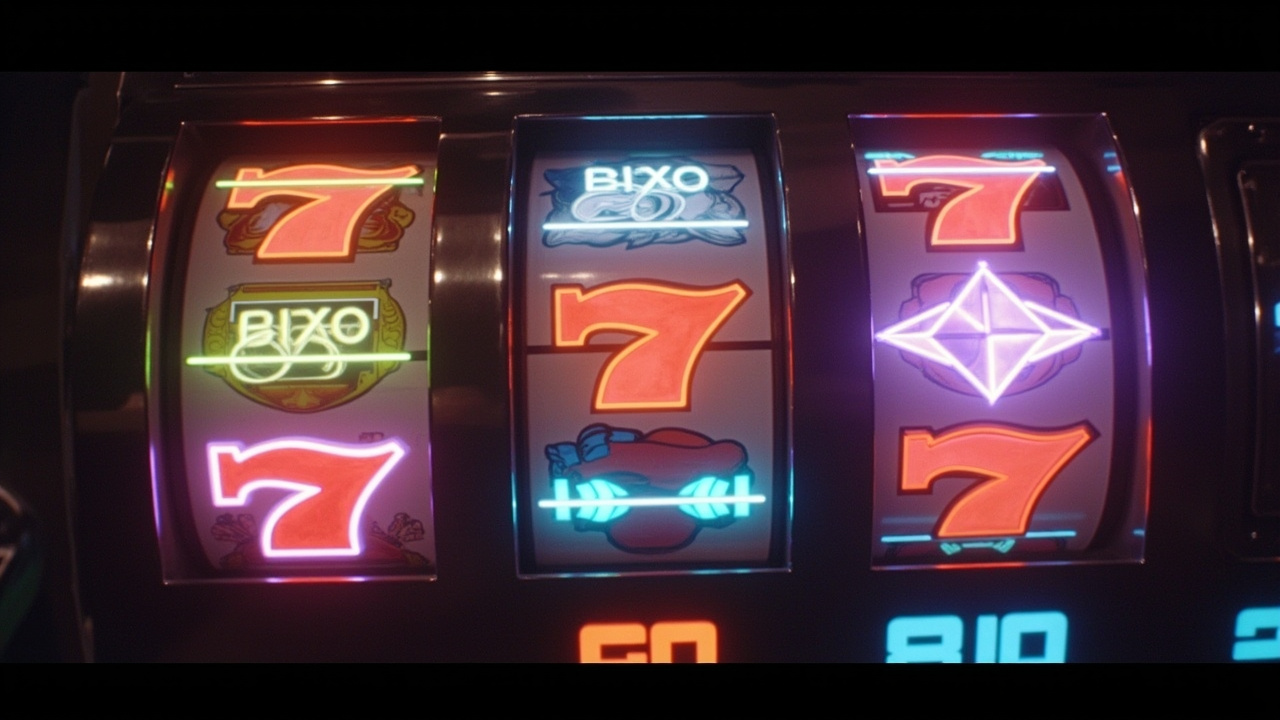
Phone screens reward quick taps and punish long deliberation. A player who never opens a desktop machine lives inside that rhythm all day. The ease of access cuts both ways. It makes a short break harder to enforce, because the same device holds the game, the messages, the weather radar, and the banking app. The trick is to separate the gambling screen from the rest of the phone without throwing the whole thing in a drawer.
Some players lock the casino app behind a second step, such as a passcode they do not keep in auto-fill. Others move the icon off the home screen and into a folder they rarely open. The point is friction, not theatre. A fifteen-minute delay between the urge and the tap changes what the brain treats as available. It is a small cost, and it is repeatable.
What Changed Lately
The local market has tilted toward shorter, more deliberate pauses. Players who once chased losses in a single sitting now talk about a fixed interval with a hard stop. The language has changed too. People mention a breather, a reset, a day off, rather than a vague promise to be careful. The shift is practical rather than moral. It is about keeping the entertainment budget intact when the grocery bill climbs and the fortnight stretches thin.
Cost-of-living pressure sits behind a lot of the new caution. When the rent, the fuel, and the weekly shop all ask for more, a lost session stings harder than it did a couple of years ago. Payday rhythms shape the timing. A player on a Thursday wage packet might treat Saturday night as the entertainment window, and treat Monday as a closed door. The pause fits the calendar rather than the mood.
Setting a Real Limit
A workable limit needs a number and a time, not a feeling. Say you deposit fifty dollars and the session turns cold by the time the humidity drops. The limit might be a fixed date, such as the next morning, or a fixed event, such as the next pay run. The exact shape matters less than the fact that it is written down somewhere the phone cannot quietly ignore.
Mia Smith, Payments Strategy Director at Great Southern Betting Review, has watched the payment side of this habit closely. She notes that players who pre-commit to a pause tend to spend less on reversal attempts than those who rely on a vague intention. The payment record tells the story more honestly than the memory does. Her observation is blunt and useful.
The Queensland Detail
Regional Queensland adds its own texture to the pause. A long drive between towns can become the break itself, provided the phone stays face down in the glovebox. A player waiting on a repair job in a small shed might treat the afternoon as a closed window and come back at dusk. The distance between places makes the gap feel real, not theoretical. It is harder to pretend the break never happened when the kilometres pile up.
Local entertainment budgets also shape the choice. A night at the pub, a tank of fuel, a feed for the family, and a gambling session all draw from the same pool. When one side swells, another shrinks. The cooling period becomes a way to keep the pool from bleeding out on a single bad evening. It is ordinary arithmetic, dressed up as discipline.
Overseas Benchmarks
The comparison overseas is useful because it shows what is local and what is universal. In the UK, a structured break often sits inside a broader self-exclusion framework, with named intervals and a paper trail that the operator keeps. In parts of the US, the approach leans on deposit limits and reality checks that ping the player at set times. The Australian version tends to be less formal and more personal, built by the player rather than imposed by a system.
That difference is not a weakness in itself. A player in Mackay can set a pause that fits a fishing trip or a shift roster in ways a rigid overseas template would not. The trade-off is that the Australian method depends on the player doing the work. The overseas model spreads the burden across the operator and the account settings. Both can work. Neither is a cure-all.
The Pause in Practice
What happens next is usually plain. The player closes the app, puts the phone somewhere inconvenient, and picks a task that occupies the hands. A load of washing, a walk around the block, a coffee that takes ten minutes to cool. The goal is not to solve the loss. The goal is to let the urge pass through without feeding it. When the interval ends, the player decides with a cooler head, not a hotter one.
Some players extend the sequence into a second step. They log the session, note the amount, and write down what they will do differently next time, if anything. The note does not need to be long. A single line on the back of a receipt will do. The act of recording turns a vague regret into something the brain can file away. That filing matters more than the player expects.Techau
Mobile Versus Desktop
The device changes the feel of the pause. A desktop machine sits in a room, and leaving the room is a real break. A phone sits in the hand, and leaving the hand is a different sort of effort. The comparison is not about which device is better. It is about what each one makes easy, and what each one makes hard. The table below lays out the difference plainly.
| Aspect | Mobile play | Desktop play |
|---|---|---|
| Access speed | Instant, from the pocket | Slower, requires sitting down |
| Break enforcement | Needs app-level friction | Needs physical distance |
| Session length | Often shorter, more frequent | Often longer, less frequent |
| Pause method | Timer, icon move, passcode | Room change, device shutdown |
The table shows why a mobile-only player has to у нас всё просто work harder at the pause. The phone is always there, which is convenient and dangerous in equal measure. A desktop player can walk away from the screen and know the session is over for the night. The mobile player has to invent that ending on purpose. The effort is small, but it is real.
Related Features Players Search
The pause rarely sits alone. Players who look for a breather also look for deposit caps, session reminders, and quick links to support options. Some check bonus terms before they play, because a tidy set of rules can reduce the urge to keep going after a bad run. A reader hunting for neospin bonus codes will find plenty of pages that explain the mechanics without pretending the maths is kinder than it is. The point is to know the terms before the impulse arrives.
Other players compare notes on independent outlets that cover the local scene. A reader who follows techau.com.au for industry chatter, or newmatilda.com/ for broader policy context, gets a clearer sense of what is changing and what is not. The background matters because a pause works better when the player knows the landscape, not just the next tap.
Knowing When to Stop
The last question is usually the hardest. A player can tell the difference between a run that is simply cold and a session that is costing more than the entertainment was worth. The signal is not a single loss. It is a pattern that keeps asking for more money to feel normal. When that pattern shows up, the pause becomes a boundary rather than a suggestion. The phone stays off until the next planned window, not the next urge.
Adam Shin writes about iGaming supplier growth from the operator side, and he sees the same pattern in commercial terms. A product that supports a clean break tends to keep players longer than one that pushes them to chase. The logic is the same whether the setting is a launch meeting or a late-night phone session. A good product respects the pause instead of fighting it. That respect is what separates a useful feature from a gimmick.neospin bonus codes
The next time the balance sits low and the phone glows in the dark, the player has a choice that is slightly more deliberate than before. The pause can be a timer, a written line, a drive, a cup of tea, or a hard stop until morning. The form does not matter as much as the fact that it exists. A cooling period casino after loss AUD is only useful when it is real, and real only when the player honours it.